


 Secure payment via SSL protocol
Chinese astrological sign
⬇️ Glissez vers le bas pour le découvrir ⬇️

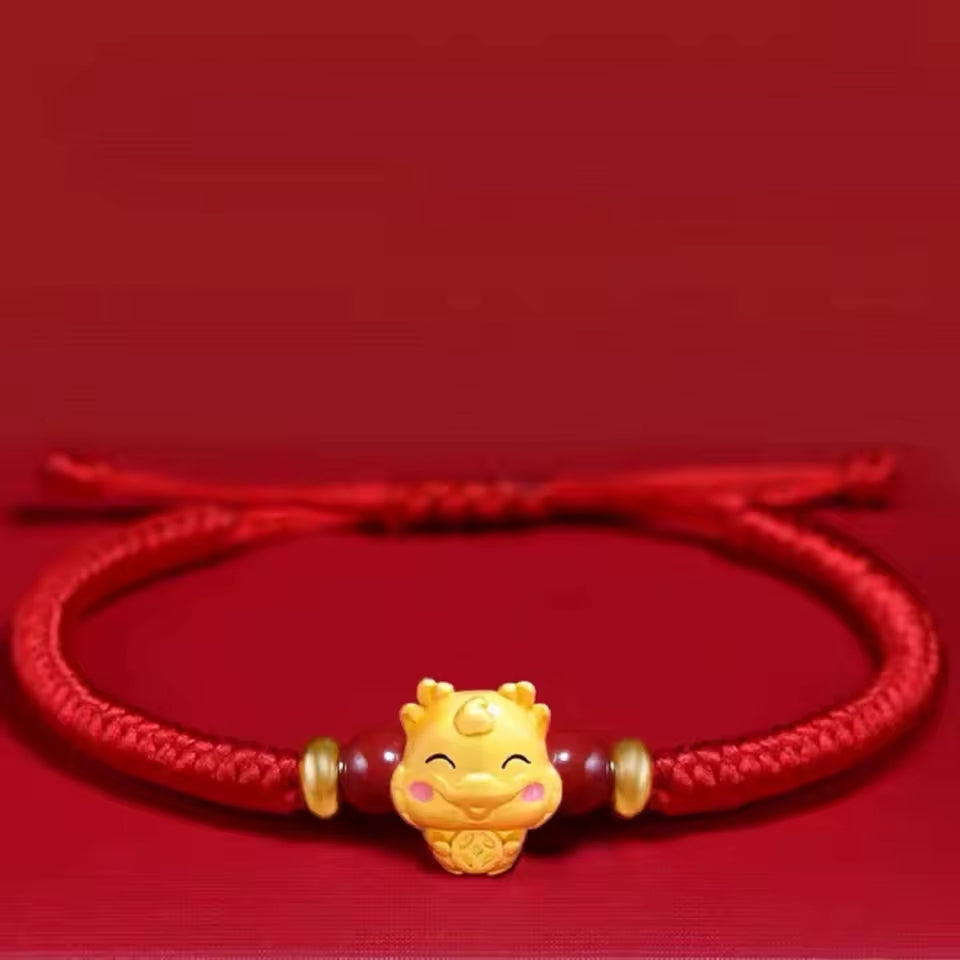
Braided Lucky Dragon Bracelet
Attract the luck and power of the Dragon with this magnificent lucky charm bracelet made of braided red cord. Adorned with a golden bead representing the Dragon sign of the Chinese zodiac, this traditional piece of jewelry combines elegance and symbolism.
📦 Delivery in 3 to 7 days

Symbolisme 🐲
Le Dragon représente la puissance, la chance, la noblesse et le succès dans l'astrologie chinoise. Porter ce bracelet attire la prospérité et l'énergie positive.
Tradition 📿
Bracelet béni selon la tradition des temples bouddhistes chinois, inspiré des rituels du Temple Longhua de Shanghai.
Garantie 🔒
Essayez votre bracelet porte-bonheur pendant 30 jours. S'il ne vous convient pas, nous vous remboursons sans poser de questions.

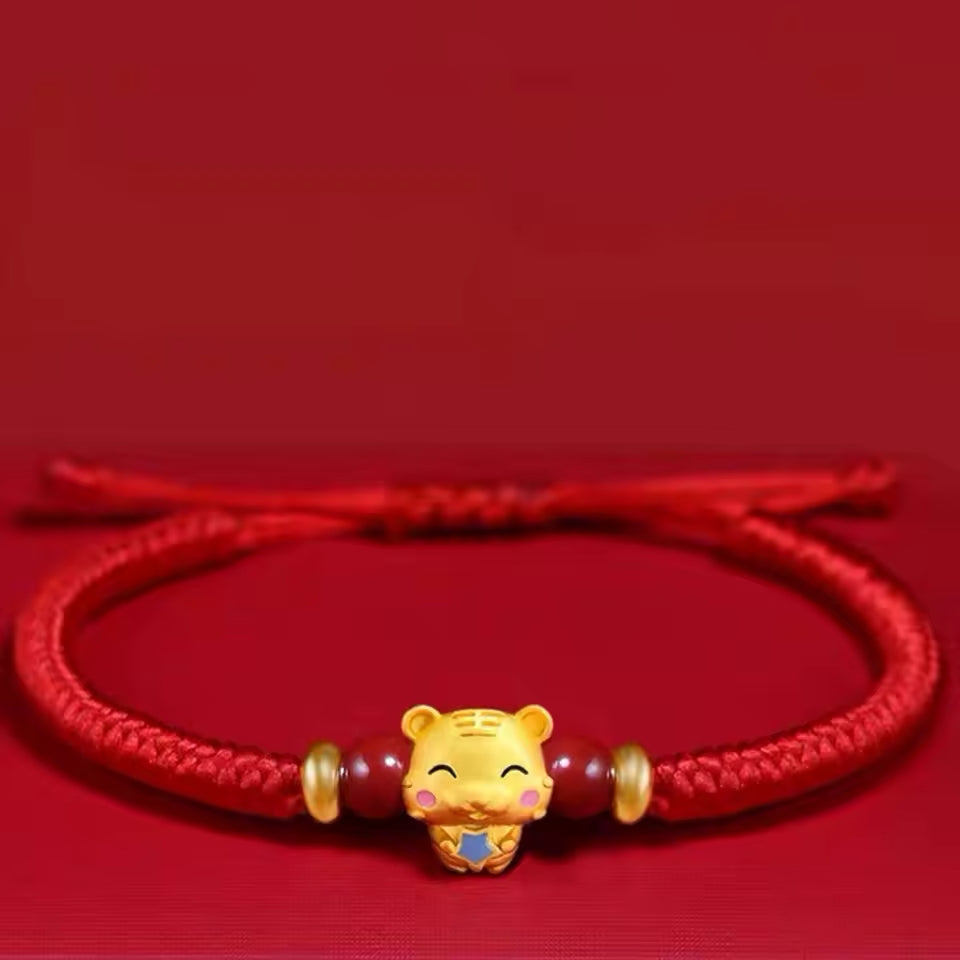
Braided Lucky Tiger Bracelet
Embody the courage and power of the Tiger with this magnificent lucky charm bracelet made of braided red cord. Adorned with a golden bead representing the Tiger sign of the Chinese zodiac, this traditional piece of jewelry combines elegance and symbolism.
📦 Delivery in 3 to 7 days
Symbolisme 🐯
Le Tigre représente la bravoure, la passion, la confiance et le leadership dans l'astrologie chinoise. Porter ce bracelet attire la force intérieure et la protection.
Tradition 📿
Bracelet béni selon la tradition des temples bouddhistes chinois, inspiré des rituels du Temple Longhua de Shanghai.
Garantie 🔒
Essayez votre bracelet porte-bonheur pendant 30 jours. S'il ne vous convient pas, nous vous remboursons sans poser de questions.

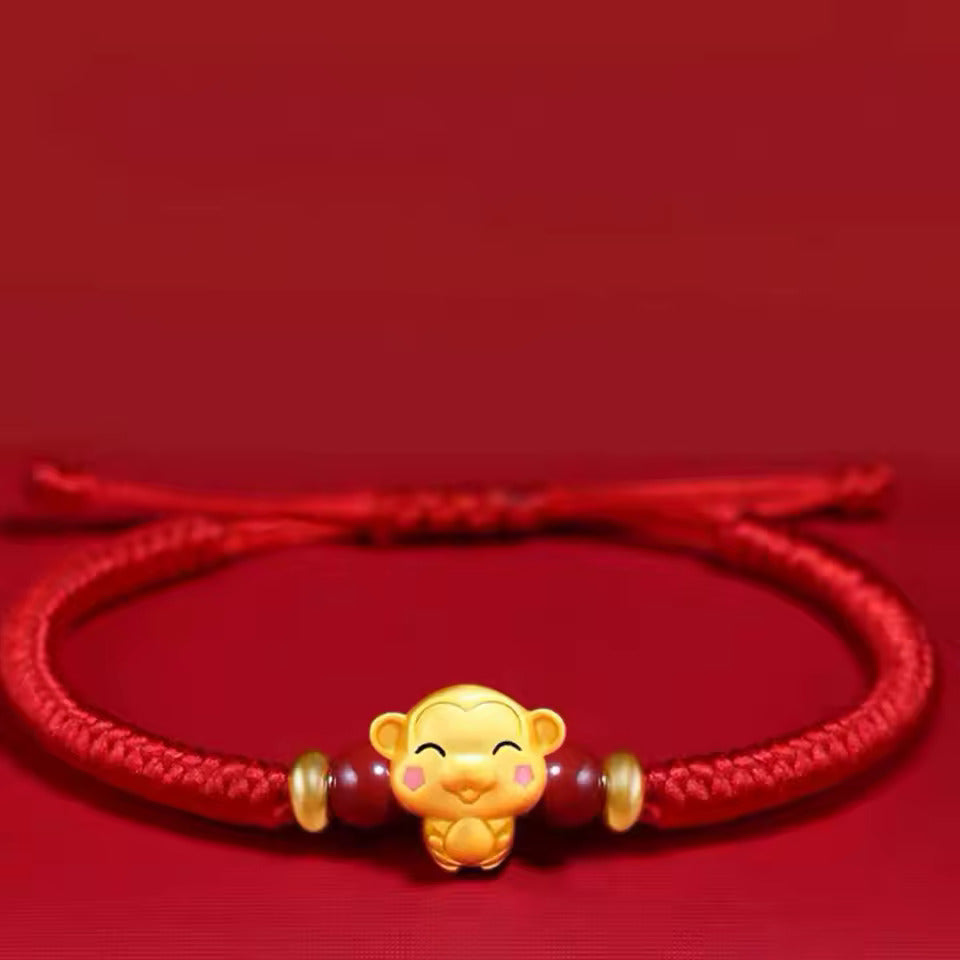
Braided Lucky Monkey Bracelet
Embody the intelligence and vivacity of the Monkey with this magnificent lucky charm bracelet made of braided red cord. Adorned with a golden bead representing the Monkey sign of the Chinese zodiac, this traditional piece of jewelry combines elegance and symbolism.
📦 Delivery in 3 to 7 days
Symbolisme 🐵
Le Singe représente la créativité, l'ingéniosité, la curiosité et l'adaptabilité dans l'astrologie chinoise. Porter ce bracelet attire l'esprit vif et les opportunités.
Tradition 📿
Bracelet béni selon la tradition des temples bouddhistes chinois, inspiré des rituels du Temple Longhua de Shanghai.
Garantie 🔒
Essayez votre bracelet porte-bonheur pendant 30 jours. S'il ne vous convient pas, nous vous remboursons sans poser de questions.

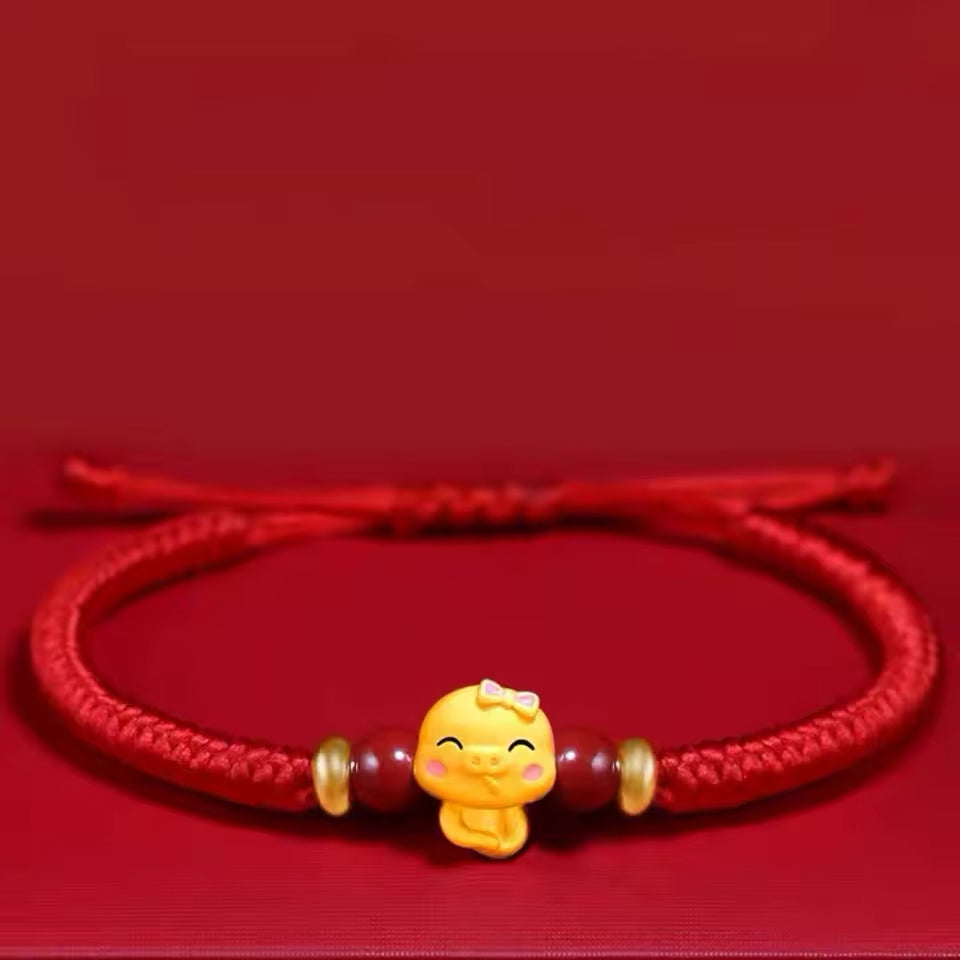
Braided Lucky Snake Bracelet
Embody the wisdom and mystery of the Snake with this magnificent lucky charm bracelet made of braided red cord. Adorned with a golden bead representing the Snake sign of the Chinese zodiac, this traditional piece of jewelry combines elegance and symbolism.
📦 Delivery in 3 to 7 days
Symbolisme 🐍
Le Serpent représente l'intuition, la sagesse, le charme et la transformation dans l'astrologie chinoise. Porter ce bracelet attire la clairvoyance et la réussite.
Tradition 📿
Bracelet béni selon la tradition des temples bouddhistes chinois, inspiré des rituels du Temple Longhua de Shanghai.
Garantie 🔒
Essayez votre bracelet porte-bonheur pendant 30 jours. S'il ne vous convient pas, nous vous remboursons sans poser de questions.

Braided Lucky Rat Bracelet
Embody the intelligence and vivacity of the Rat with this magnificent lucky charm bracelet made of braided red cord. Adorned with a golden bead representing the Rat sign of the Chinese zodiac, this traditional piece of jewelry combines elegance and symbolism.
📦 Delivery in 3 to 7 days
Symbolisme 🐭
Le Rat représente la sagesse, la débrouillardise, l'ambition et la prospérité dans l'astrologie chinoise. Porter ce bracelet attire le succès et l'ingéniosité.
Tradition 📿
Bracelet béni selon la tradition des temples bouddhistes chinois, inspiré des rituels du Temple Longhua de Shanghai.
Garantie 🔒
Essayez votre bracelet porte-bonheur pendant 30 jours. S'il ne vous convient pas, nous vous remboursons sans poser de questions.
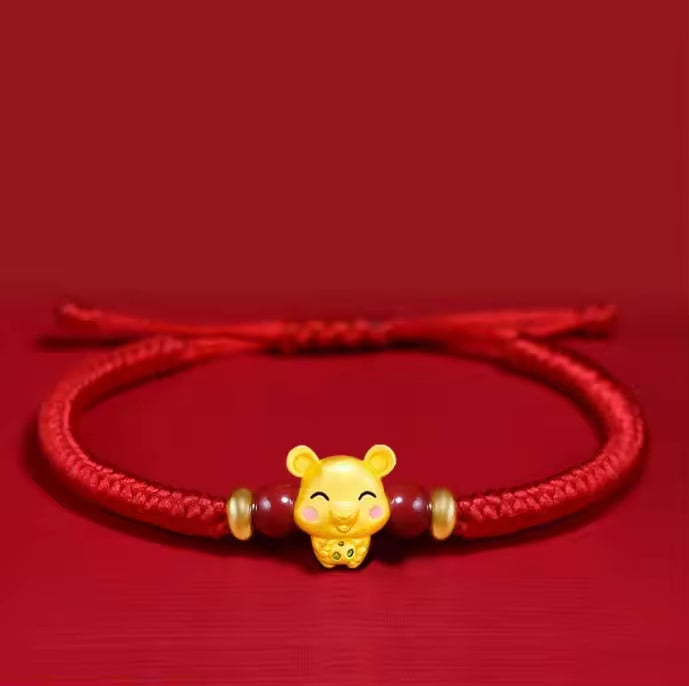

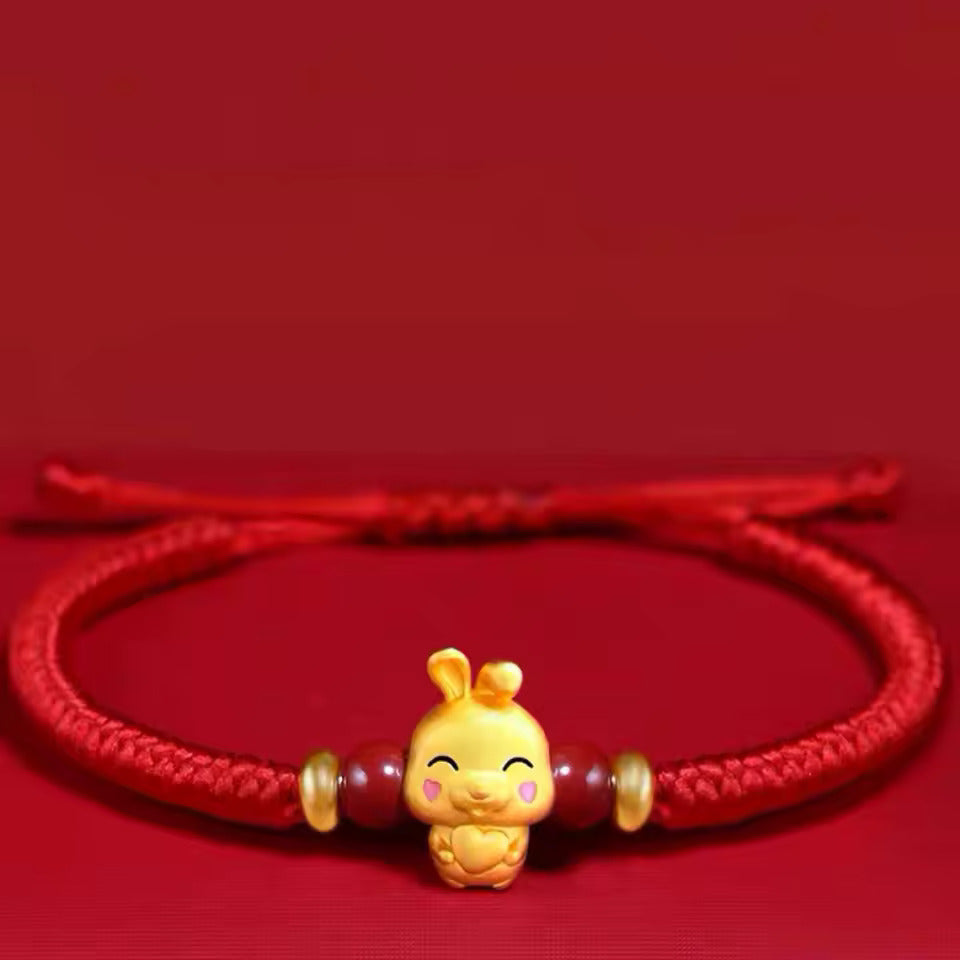
Braided Lucky Rabbit Bracelet
Embody the gentleness and elegance of the Rabbit with this magnificent lucky charm bracelet made of braided red cord. Adorned with a golden bead representing the Rabbit sign of the Chinese zodiac, this traditional piece of jewelry combines elegance and symbolism.
📦 Delivery in 3 to 7 days
Symbolisme 🐰
Le Lapin représente la gentillesse, la diplomatie, la grâce et la sensibilité dans l'astrologie chinoise. Porter ce bracelet attire l'harmonie et la sérénité.
Tradition 📿
Bracelet béni selon la tradition des temples bouddhistes chinois, inspiré des rituels du Temple Longhua de Shanghai.
Garantie 🔒
Essayez votre bracelet porte-bonheur pendant 30 jours. S'il ne vous convient pas, nous vous remboursons sans poser de questions.

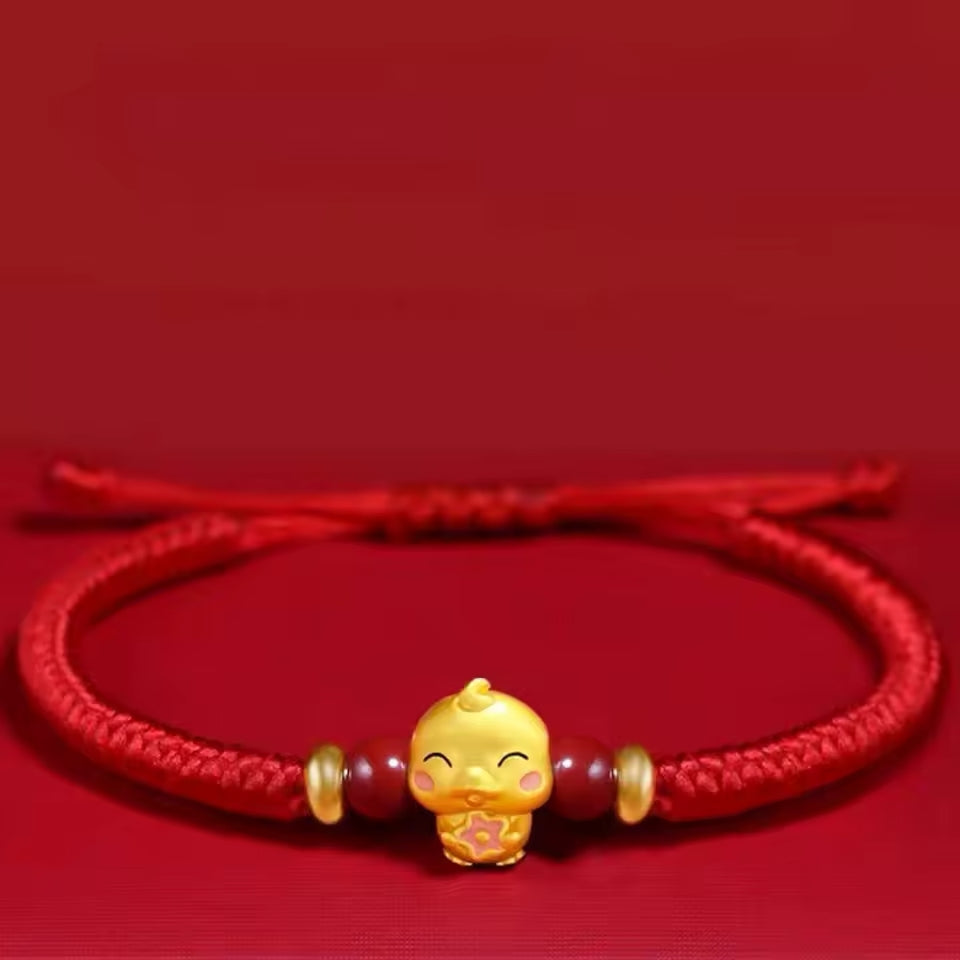
Braided Lucky Rooster Bracelet
Embody the confidence and courage of the Rooster with this magnificent lucky charm bracelet made of braided red cord. Adorned with a golden bead representing the Rooster sign of the Chinese zodiac, this traditional piece of jewelry combines elegance and symbolism.
📦 Delivery in 3 to 7 days
Symbolisme 🐔
Le Coq représente la fierté, l'honnêteté, la ponctualité et le dynamisme dans l'astrologie chinoise. Porter ce bracelet attire la confiance en soi et l'énergie positive.
Tradition 📿
Bracelet béni selon la tradition des temples bouddhistes chinois, inspiré des rituels du Temple Longhua de Shanghai.
Garantie 🔒
Essayez votre bracelet porte-bonheur pendant 30 jours. S'il ne vous convient pas, nous vous remboursons sans poser de questions.

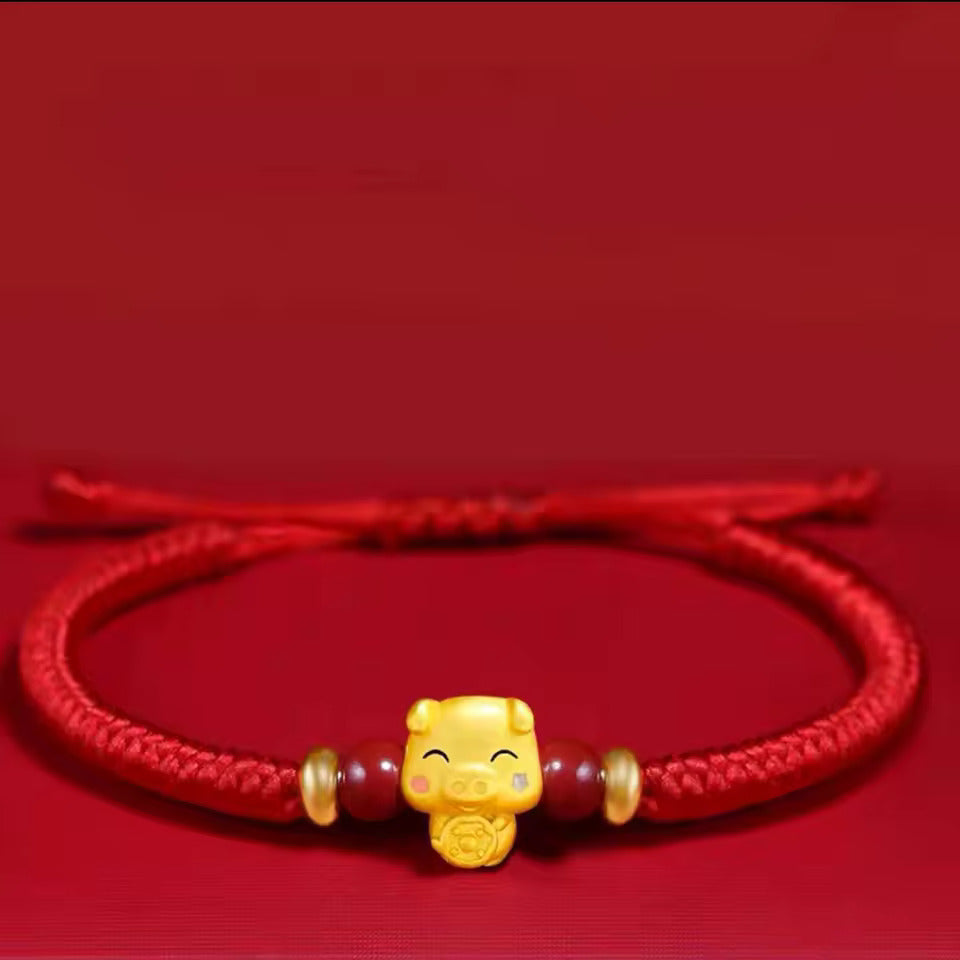
Braided Lucky Pig Bracelet
Embody the generosity and prosperity of the Pig with this magnificent lucky charm bracelet made of braided red cord. Adorned with a golden bead representing the Pig sign of the Chinese zodiac, this traditional piece of jewelry combines elegance and symbolism.
📦 Delivery in 3 to 7 days
Symbolisme 🐷
Le Cochon représente l'honnêteté, la compassion, l'abondance et la joie de vivre dans l'astrologie chinoise. Porter ce bracelet attire la fortune et le bonheur.
Tradition 📿
Bracelet béni selon la tradition des temples bouddhistes chinois, inspiré des rituels du Temple Longhua de Shanghai.
Garantie 🔒
Essayez votre bracelet porte-bonheur pendant 30 jours. S'il ne vous convient pas, nous vous remboursons sans poser de questions.

Braided Lucky Dog Bracelet
Embody the loyalty and honesty of the Dog with this magnificent lucky charm bracelet made of braided red cord. Adorned with a golden bead representing the Dog sign of the Chinese zodiac, this traditional piece of jewelry combines elegance and symbolism.
📦 Delivery in 3 to 7 days
Symbolisme 🐶
Le Chien représente la fidélité, la sincérité, la protection et le dévouement dans l'astrologie chinoise. Porter ce bracelet attire l'amitié sincère et la bienveillance.
Tradition 📿
Bracelet béni selon la tradition des temples bouddhistes chinois, inspiré des rituels du Temple Longhua de Shanghai.
Garantie 🔒
Essayez votre bracelet porte-bonheur pendant 30 jours. S'il ne vous convient pas, nous vous remboursons sans poser de questions.
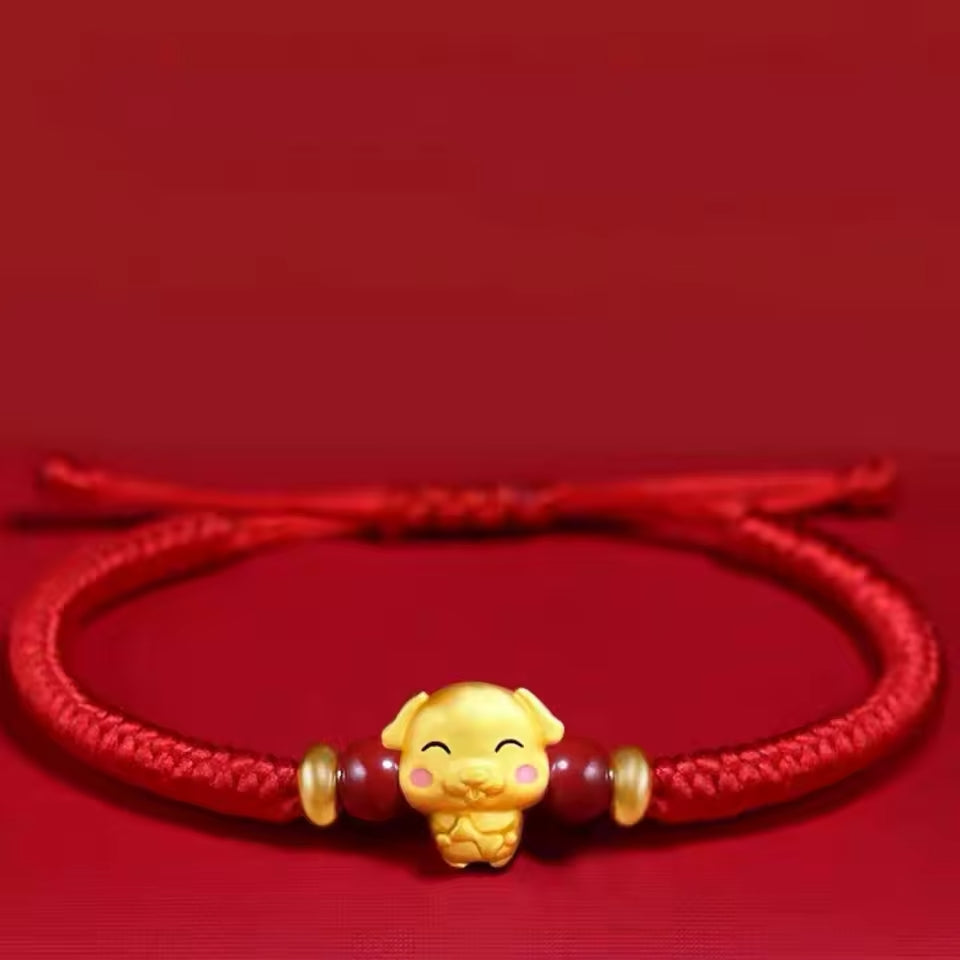

Braided Lucky Ox Bracelet
Embody the strength and perseverance of the Ox with this magnificent lucky charm bracelet made of braided red cord. Adorned with a golden bead representing the Ox sign of the Chinese zodiac, this traditional piece of jewelry combines elegance and symbolism.
📦 Delivery in 3 to 7 days
Symbolisme 🐮
Le Bœuf représente la détermination, la fiabilité, la patience et le travail acharné dans l'astrologie chinoise. Porter ce bracelet attire la stabilité et la réussite par l'effort.
Tradition 📿
Bracelet béni selon la tradition des temples bouddhistes chinois, inspiré des rituels du Temple Longhua de Shanghai.
Garantie 🔒
Essayez votre bracelet porte-bonheur pendant 30 jours. S'il ne vous convient pas, nous vous remboursons sans poser de questions.
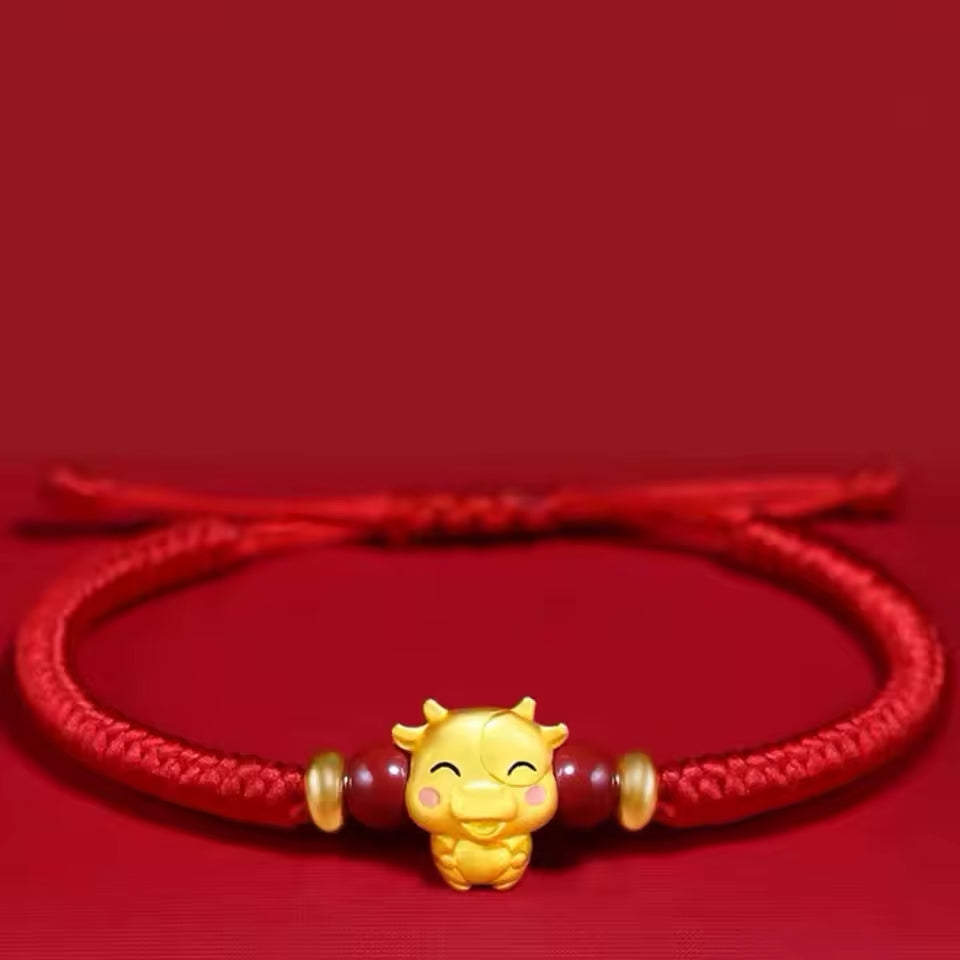

Braided Lucky Horse Bracelet
Embody the freedom and energy of the Horse with this magnificent lucky charm bracelet made of braided red cord. Adorned with a golden bead representing the Horse sign of the Chinese zodiac, this traditional piece of jewelry combines elegance and symbolism.
📦 Delivery in 3 to 7 days
Symbolisme 🐴
Le Cheval représente l'indépendance, l'enthousiasme, l'aventure et la vitalité dans l'astrologie chinoise. Porter ce bracelet attire le dynamisme et la passion de vivre.
Tradition 📿
Bracelet béni selon la tradition des temples bouddhistes chinois, inspiré des rituels du Temple Longhua de Shanghai.
Garantie 🔒
Essayez votre bracelet porte-bonheur pendant 30 jours. S'il ne vous convient pas, nous vous remboursons sans poser de questions.
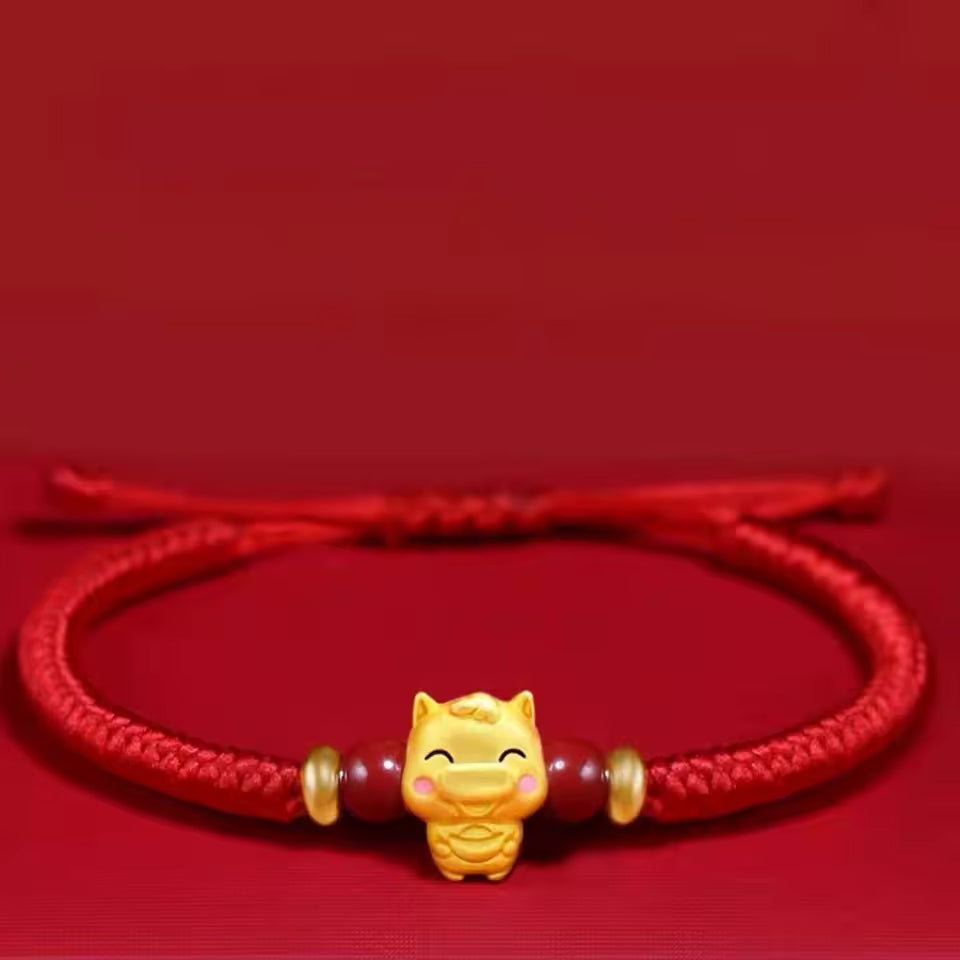

Braided Lucky Goat Bracelet
Embody the creativity and gentleness of the Goat with this beautiful lucky charm bracelet made of braided red cord. Adorned with a golden bead representing the Goat sign of the Chinese zodiac, this traditional piece of jewelry combines elegance and symbolism.
📦 Delivery in 3 to 7 days
Symbolisme 🐐
La Chèvre représente l'artistique, la sensibilité, la paix et la bienveillance dans l'astrologie chinoise. Porter ce bracelet attire l'harmonie et l'inspiration créative.
Tradition 📿
Bracelet béni selon la tradition des temples bouddhistes chinois, inspiré des rituels du Temple Longhua de Shanghai.
Garantie 🔒
Essayez votre bracelet porte-bonheur pendant 30 jours. S'il ne vous convient pas, nous vous remboursons sans poser de questions.
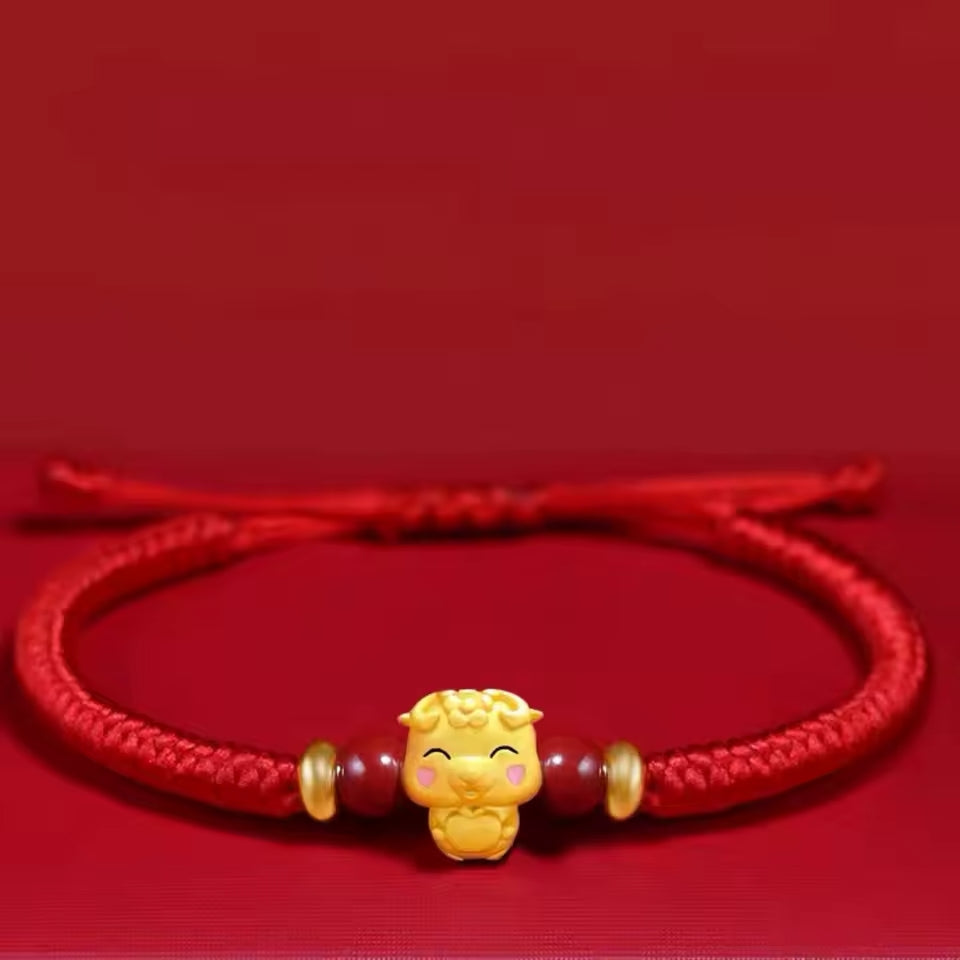
Chinese Astrology Jewelry
-
Braided Lucky Tiger Bracelet
Regular pricePROMOSale price 39,90€5,90€Regular priceUnit price perSale price 5,90€9,90€Sale -
Braided Lucky Snake Bracelet
Regular pricePROMOSale price 39,90€5,90€Regular priceUnit price perSale price 5,90€9,90€Sale -
Braided Lucky Goat Bracelet
Regular pricePROMOSale price 39,90€5,90€Regular priceUnit price perSale price 5,90€9,90€Sale -
Braided Lucky Rat Bracelet
Regular pricePROMOSale price 39,90€5,90€Regular priceUnit price perSale price 5,90€9,90€Sale -
Braided Lucky Rabbit Bracelet
Regular pricePROMOSale price 39,90€5,90€Regular priceUnit price perSale price 5,90€9,90€Sale -
Braided Lucky Pig Bracelet
Regular pricePROMOSale price 39,90€5,90€Regular priceUnit price perSale price 5,90€9,90€Sale -
Braided Lucky Monkey Bracelet
Regular pricePROMOSale price 39,90€5,90€Regular priceUnit price perSale price 5,90€9,90€Sale -
Braided Lucky Horse Bracelet
Regular pricePROMOSale price 39,90€5,90€Regular priceUnit price perSale price 5,90€9,90€Sale -
Braided Lucky Rooster Bracelet
Regular pricePROMOSale price 39,90€5,90€Regular priceUnit price perSale price 5,90€9,90€Sale -
Braided Lucky Dog Bracelet
Regular pricePROMOSale price 39,90€5,90€Regular priceUnit price perSale price 5,90€9,90€Sale -
Braided Lucky Ox Bracelet
Regular pricePROMOSale price 39,90€5,90€Regular priceUnit price perSale price 5,90€9,90€Sale -
Braided Lucky Dragon Bracelet
Regular pricePROMOSale price 39,90€5,90€Regular priceUnit price perSale price 5,90€9,90€Sale


